
Raleigh Resident Lookup Records
A single Raleigh name can appear in several unrelated systems. The useful question is not whether a search produces a name, but what role that source documents. Wake County property data can show a parcel or tax relationship. A voter result can show a current registration record as of the search date. A court result can show that a party participated in a case. Vital records and historic listings have narrower access rules and often establish an event or a dated listing, not a present address. Keep the systems apart until two independent details line up.
| Record | What It Confirms | Where | Access |
|---|---|---|---|
| Parcel record | Address and property relationship | Wake real-estate search or iMAPS | Online context; not occupancy proof |
| Voter registration | Registration status, precinct, and permitted fields | NC Voter Search | Public lookup and official data routes |
| Court case | Party role, case activity, hearing, or disposition | NC eCourts Portal | Anonymous online search, clerk, or terminal |
| Vital record | A recorded birth, death, or marriage event | Wake Register of Deeds | Eligibility controls certified copies |
| Historic directory | Dated name and address listing | Wake Public Libraries catalog | Cataloged collection, not current proof |
Begin a Raleigh name verification with the source closest to the question. A current address question calls for an address or voter-status check with its date preserved. A case question belongs in eCourts. A family-history question may need a dated directory and an eligible vital-record route. A parcel owner, court party, and directory householder are different roles, even when the spelling matches.
Raleigh Lookup Names Need Signals
For a Raleigh lookup, record the full name, initials, former names, suffixes, business names, and street-direction variants that were actually searched. The same-name problem is common enough that a name hit is only an index lead. An exact name plus a Wake voter result supports a registration record, but not physical presence or a household. A deed grantee supports a recorded property transaction, while a grantor, trustee, lender, or permit contractor may have a different connection entirely.
| Signal | Supported fact | Still unproven |
|---|---|---|
| Wake parcel owner | Parcel or tax relationship | Current occupancy or identity |
| Court party | Participation in a named case | Residence at an address or wrongdoing |
| Directory entry | Listing during its publication period | Current address or complete household |
| Voter result | Registration information as checked | Date of birth, household, or physical presence |
Write down contradictions rather than smoothing them away. A different middle initial, a Wake/Durham boundary address, a stale mailing address, or a business role can be the reason a plausible Raleigh result should be excluded. That record of exclusions is often more useful than a confident but unsupported conclusion.
Raleigh eCourts Lookup Fields
The statewide NC eCourts Portal permits anonymous public searching. For a Raleigh case question, choose Wake as the location and narrow the date range before widening a name search. Smart Search supports Civil Actions, nonconfidential Special Proceedings, Estates, and Criminal Actions. Party criteria include a name and available personal or date fields. Case criteria include case type, status, and filing range. The public portal excludes confidential and nonpublic material.
| eCourts field group | Useful Raleigh entry | How to read it |
|---|---|---|
| Location | Wake County | Separates a Wake search from statewide name noise |
| Party search | Name plus permitted date details | Shows a role, not a residential finding |
| Case search | Type, status, filing-date range | Bounds a broad name result |
| Hearing search | Case, party, attorney, officer, courtroom | Finds scheduled event context |
| Judgment search | Party or case number with filters | Returns case and disposition context |
The official eCourts training material shows the search controls and result categories. Its Wake case-number example uses county code 910, but that format is only a search example, not evidence about a Raleigh resident.
The eCourts portal landing page is shown below so a Raleigh name search begins with the official system.
Use the screen as a starting point, then save the location, exact query, search date, and the limited role shown by each result.
Confirm a Raleigh Resident Record
Verification means connecting a name to an independently matching fact, not assembling every available record. Begin with the strongest lawful address or time-period clue. Compare it to a second record that has a different keeper and a clear date. For example, a parcel field may provide a property relationship, while a dated directory or a voter-status result may provide a separate lead. Court and vital systems should be used only for the narrow question each can answer.
- Record the full Raleigh name, variants, known address or ZIP, county, time period, and the date of the research.
- Use iMAPS or Wake real-estate search for parcel context, keeping the situs address and owner mailing address as separate fields.
- Search the Wake-filtered eCourts party index with spelling variants, then capture the party role and case status rather than treating the hit as identity proof.
- Check an appropriate voter, directory, or vital-record route for a second dated signal. Use certified copies only from the custodian and only when eligibility permits.
- Docket
- A court case file and its entries, events, parties, hearings, and disposition.
- Index and image
- An index points to a record; an image is the document view. An index hit does not replace reading the public document.
- Certified copy
- A copy authenticated by the custodian for the record type. It may require a form, fee, or proof of eligibility.
Note: A Raleigh name check should label each fact as current, historical, property-related, case-related, or unverified rather than mixing those categories.
Raleigh Court Lookup Result Inventory
A useful eCourts result inventory preserves fields that explain the case without turning a case-party listing into a statement about a person. The case summary may contain case information, assignment, party information, causes of action, events, dispositions, hearings, financial information when applicable, and document-link status. Capture only what the public result displays and distinguish a portal display from a certified clerk response.
- Case number, Wake location, case type, and filing date
- Party name exactly as displayed and the party role
- Case events, hearing details, and disposition status
- Judgment index date or comments when the judgment search displays them
- Document-link status and any confidentiality limit
The eCourts help screen identifies the official case, hearing, and judgment search categories used for this limited inventory.
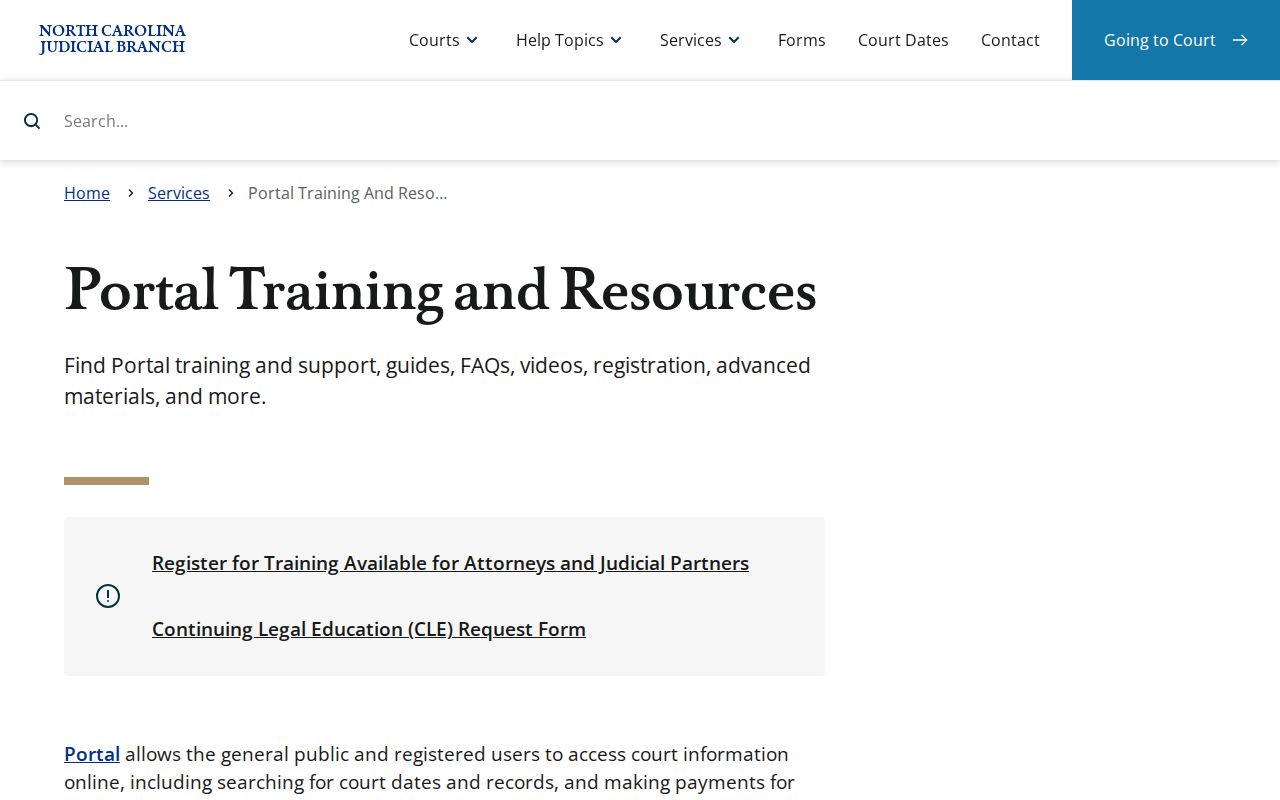
These fields make a Raleigh court result easier to audit later, especially when several people share a name or the file itself must be checked with the clerk.
Raleigh Voter Lookup and Vital Access
NC Voter Search is current registration evidence, not a directory of everyone at an address or a full address history. G.S. 163-82.10 permits certain voter-list fields while keeping date of birth, Social Security number, driver-license number, email, photo-ID material, and registration-agency information confidential. Signatures may be viewed but not copied or traced. Wake and statewide official data pages also provide current and historical voter-registration files, with the research limits and date of each file preserved.
For vital records, Wake Register of Deeds online requests cover Wake County birth, death, and marriage records. The NC Vital Records ordering page supplies statewide routes. Certified access depends on the record, relationship, authorization, and identification. A birth, death, or marriage event can corroborate a relationship or historical identity, but it is not a current-address substitute.
The Wake online route, in-person or mail procedures, and the statewide mail, in-person, and authorized remote options are alternatives when a needed record is not available through a public index. Do not send unnecessary identifiers in a public-record request. Chapter 132 favors access to public portions of records, while G.S. 130A-93 and G.S. 130A-99 still control vital-record limits.
Raleigh Lookup Access Beyond Portals
Online results do not replace the office that keeps the record. Public self-service terminals are available at North Carolina clerk offices, and paper files route to the clerk where the case is located. The Wake County court page provides local court routing. For a county-specific certified criminal search, the clerk uses AOC-CR-314; the official court information identifies a $25 route and makes clear that the search is indexed to the supplied name, not a statewide identity determination.
Use a courthouse terminal for a non-certified search, the clerk for a case file or copy, and the proper custodian for vital or property documents. A statewide administrative request can go through the NC Courts public-records request, but NCAOC is not the custodian of individual court documents. State the record type, exact case or book/page reference, and any requested redacted public version.
The statewide eCourts rollout was completed for all 100 counties on October 13, 2025. That makes the portal the normal first search for Wake cases, while the clerk and terminal remain the route for file review, copies, and certification.
Raleigh Lookup Evidence Labels
Clear labels keep a Raleigh name check from overstating its result. Use “direct current record” for a date-stamped public record that directly supports its narrow fact. Use “dated historical listing” for a directory, newspaper notice, or archive item. A parcel record belongs under “property relationship,” and a case entry belongs under “case-party relationship.” Map context, ZIP data, and name-only matches need their own labels because they cannot prove a current resident identity.
A compact report starts with the name, variants, known address or ZIP, county, date range, research date, and systems searched. It then separates current leads from the historical trail. Record an apparent contradiction, such as a different middle initial or an adjacent-county address, beside the reason the result was retained or rejected. End with limited language: the source confirms a stated fact as of a date, and does not establish identity, occupancy, or current presence without another matching signal.
| Report part | What to preserve |
|---|---|
| Query header | Name, variants, known location, county, date range, research date, and systems searched |
| Current leads | Voter status if available, parcel relationship, municipal links, court results, and any system not searched |
| Historical trail | Directory year, deed date and book/page, notice or archive citation, and map context |
| Contradictions and limits | Same-name matches, date conflicts, protected fields, exclusions, and a narrow conclusion |
Raleigh Lookup Privacy Stop
North Carolina public access is record-specific. A court entry may omit confidential material, a vital record may require an eligible requester, and a voter record can keep its actual address confidential. The North Carolina Address Confidentiality Program provides substitute-address protection for eligible survivors. When an ACP, protective-order, redaction, or other protected-address signal appears, stop expanding the address. Keep only the fact that a lawful protection applies and direct any record question to the custodian.
G.S. 15C-8 requires covered agencies to accept an ACP substitute address, and G.S. 15C-9 limits disclosure. A missing address is not an invitation to infer one from nearby records. It is a boundary that protects a person and keeps the research result honest.
Raleigh Lookup Not-Found Limits
“Not found” only describes the system, filters, spelling, date range, and county that were searched. A Raleigh eCourts no-result does not rule out a file outside the entered location or a confidential record. No Wake parcel hit can reflect a street-format mismatch, an adjacent county, a trust or entity name, or a different ownership role. A historic directory silence can be a gap in the collection rather than proof a person was absent.
Keep a negative-finding note with the portal, exact query, date, filters, coverage period, and exclusions. When the question shifts from one person to a named street, the separate Raleigh street directory workflow uses address-keyed records without treating every parcel relationship as an occupant list.